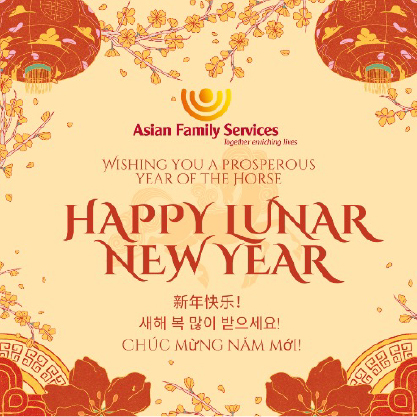
Welcome the Lunar New Year | A Time of Joy, Culture, and New Beginnings!
Celebrate the magic of the Lunar New Year—also known as Chinese New Year or the Spring Festival. This vibrant occasion marks the start of the lunar calendar and is celebrated with family gatherings, cultural performances, and wishes for health, happiness, and prosperity.
 Steeped in thousands of years of history, the Lunar New Year began as an agricultural festival to welcome spring and honour ancestors. Its traditions are woven with legends, such as the story of “Nian” (年), a mythical creature scared off by loud noises, bright lights, and the colour red—explaining the abundance of red lanterns, banners, and fireworks that fill the festivities with excitement and good luck.
The Lunar New Year is widely celebrated in several countries, including China, Korea, Vietnam, Singapore, and Malaysia. People exchange greetings, visit relatives, and join public events like lantern displays, lion and dragon dances, and bustling markets during the festival.
In Chinese culture, each lunar year corresponds to an animal in the zodiac. The year 2026 welcomes the Year of the Horse, symbolising vitality, energy, and a free-spirited nature. Those born in Horse years—1954, 1966, 1978, 1990, 2002, 2014, and 2026—are thought to be independent and adventurous. The Year of the Horse brings a dynamic and uplifting atmosphere, inspiring people to embrace new opportunities and move forward with confidence and optimism.
Food is central to the celebration, each dish carrying a lucky meaning: dumplings for wealth, fish for abundance, long noodles for longevity, and sweet treats for happiness. In Korea, tteokguk (rice cake soup) symbolises a fresh start and good fortune.
Spread festive joy with greetings in different languages:
- Happy Year of the Horse in Mandarin: “mǎ nián kuài le” (马年快乐)
- Wishing you a prosperous year ahead in Cantonese: “Gong Hei Fatt Choy” (恭喜发财)
- Happy New Year in Korean: “Saehae bok mani badeuseyo” (새해 복 많이 받으세요)
- Happy New Year in Vietnamese: “Chúc mừng năm mới”
In Aotearoa New Zealand, Lunar New Year comes alive with vibrant community festivals. Asian Family Services invites you to visit our stalls at these events:
- Auckland: 2026 Chinese New Year Festival & Market Day at Auckland Showgrounds, Saturday 14 February, 9:30 am–4:00 pm.
- Wellington: 2026 Lunar New Year celebration at TSB Arena, Queens Wharf, Sunday 22 February, 11:00 am–4:30 pm.
Asian Family Services wishes you and your whānau
A happy, healthy, and prosperous Lunar New Year!
Asian Family Services
A non-governmental organisation committed to delivering mental health and gambling harm minimization services for Asian communities residing in New Zealand. Its team of New Zealand-trained Asian clinical practitioners, public health experts, and cultural support workers provide comprehensive and culturally responsive care throughout the country. The nationally operated Asian Helpline (0800 862 342) offers free and confidential support to Asian individuals without visa restrictions, available in eight languages: Mandarin, Cantonese, Hindi, Korean, Vietnamese, Thai, Japanese, and English.
Website: https://www.asianfamilyservices.nz/