Quinceañera | A Special Birthday
The Quinceañera has its origins in ancient Mesoamerican cultures, particularly among the Aztecs and other Indigenous societies, who marked a girl’s transition into womanhood with coming‑of‑age rituals. With the arrival of the Spanish colonisers in the 16th century, these Indigenous traditions blended with Catholic practices and European customs, resulting in the Quinceañera as it is known today. Over time, it evolved into a celebration that combines religious devotion, family values, and cultural heritage, especially across Latin America and Latino communities worldwide.
Have you ever heard of a quinceañera? The word is a combination of two Spanish words, quince (fifteen) and años (year). Also known as fiesta de quinceañera, quince años, fiesta de quince años, quinceañero or quinces; it is an event celebrated by Mexican, Latin American, and Caribbean communities to mark a girl’s 15th birthday. The young female is also referred to as the quinceañera. Believed to have originated in Mexico from the ancient rite of passage traditions of the Aztecs and the Mayans, the festivities are now a combination of Catholic traditions, the European royal court traditions of the mid 1800s and contemporary modern twists.
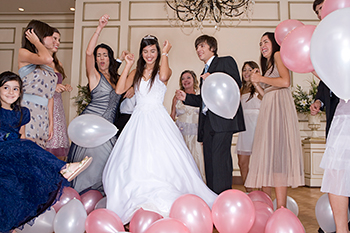
Quinceañera marks a young girls transition from childhood to adulthood and was traditionally an occasion to present them as eligible for marriage. Celebrations traditionally begin with a Church blessing ritual called the ‘Mass of Thanksgiving’ in Catholicism where thanks are given to God for the gift of life and the young woman reconfirms her commitment to God. It is then followed by a reception including food, music and often a choreographed dance performance by the quinceañera and her court of honour. The court of honour is much like a bridal party and consists of 7-14 pairs of damas and chambelanes. The reception can be a small gathering or a lavish party with a chosen theme. The father and the quinceañera often share a dance, formally opening up the dance floor. The cutting of a multi-tiered birthday cake marks the end of the festivities.
A quinceañera is filled with symbolisms. The young woman wears a special dress, often similar to a bridal or princess dress with heels and is adorned with beautiful make up and a fancy hairstyle, symbolising the transition from childhood to womanhood. Some may be gifted a doll by a family member as the last childhood toy, and the quinceañera’s flat shoes may be replaced with high heels by her father or a close male relative. Both these acts again signify the transition to adulthood. The quinceañera may also wear a tiara, symbolising that her family will always a consider her a princess.
While quinceañera may have originated with the focus of marriage, it is now an important festive celebration of a young female’s life that links communities scattered across the world to their cultural heritage.
Contributed by Dulani Abeysinghe, eCALD® Educator, Health New Zealand | Te Whatu Ora