Mental Health Support Service | Health Improvement Practitioner
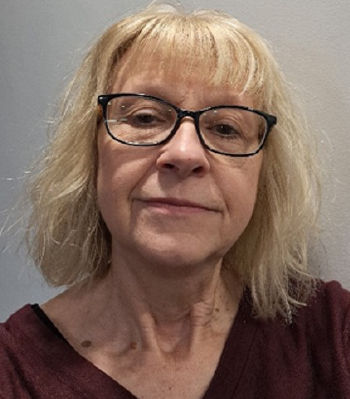
To understand the role better, we spoke with Karen Bambrough, a registered Occupational Therapist practising as a HIP in a GP clinic in Ōtautahi Christchurch. When asked about the role, Karen said she deals with all kinds of challenges and difficulties people may be dealing with and she’s ‘never surprised with what people want to talk about.’ It may be a matter relating to physical health, sleep hygiene, family relationships, trauma, finances, or navigating services among others.
Following the format of the HIP model, while Karen has daily pre-booked appointments, she also has an allocated portion of her day to allow for same-day referrals and walk-ins. Often, the referrals may come from the centre’s GPs or nurses who may think the patient would benefit from extra support and wrap around services; or it could be a self-referral by a patient who has seen the HIP flyers in the waiting area.
Karen enjoys working with diverse population groups and she says she has seen an increasing number of CALD patients wanting to engage with her in recent times. The key she says is to not assume, remain curious, and be guided by what the patients say. Karen says she starts with asking questions that tells the context of their life which gives her a better understanding of the patient’s personal circumstances and challenges; and then moves on to asking what the patient wants to focus on for support in the session. Karen emphasises that it is very much a collaborative process built on mutual trust and respect.
While maintaining professional ethics and boundaries, it is sometimes necessary to go the extra mile to be responsive to different needs so that people can access holistic care to achieve wellbeing. Karen shared experiences where she has had to be persistent in liaising and advocating with other services around housing, finances, and children’s education. While engagement with a HIP is not intended to be long-term, exceptions are made for certain patients where some contact and continuity is beneficial for maintaining their mental and physical wellbeing.
The HIP model is certainly a great initiative but like all things, the effectiveness lies on the professionalism, flexibility and responsiveness of the practitioners and the service.
Dulani Abeysinghe, eCALD® Educator, Health New Zealand | Te Whatu Ora